
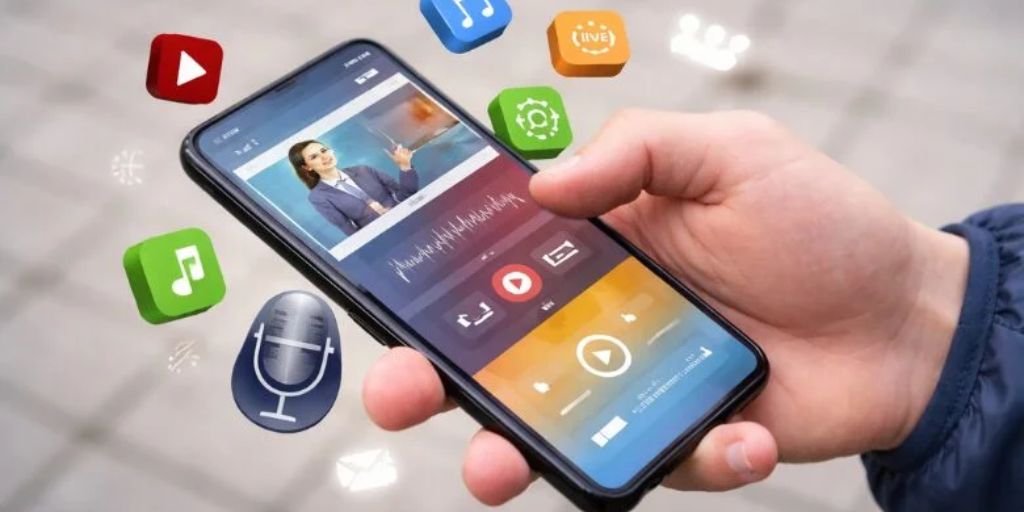
In a world where smartphones have become part of everyday life, mobile applications are changing how people communicate, consume content, shop, work, and entertain themselves. One name that may appear in searches is Application Mobile Dualmedia. But what exactly does it mean, how does it work, and why might people be interested in it?
The phrase can refer to a mobile application or digital service associated with the Dualmedia name. Because similar names can be used by different digital projects, it is important to distinguish verified information about a specific app from assumptions based only on its name.
This guide explains the concept in simple language, explores the possible features users look for in a modern mobile application, and discusses security, usability, installation, privacy, and practical considerations.
What Is Application Mobile Dualmedia?
Application Mobile Dualmedia generally describes a mobile-oriented digital application or service connected with the Dualmedia brand or platform. The exact purpose depends on the particular Dualmedia product being referenced.
Why does this matter? A name alone does not always tell you what an application actually does. Two services can have similar names while offering completely different functions.
A modern mobile application may provide access to content, communication tools, entertainment, business services, media, or other digital experiences. The main advantage is convenience: instead of opening a desktop computer, users can access supported features directly from a smartphone.
Think of a mobile app as a small doorway into a larger digital building. The website or broader platform may contain many rooms, while the mobile application gives you a convenient entrance designed specifically for a phone.
Before downloading anything described as Dualmedia, users should therefore confirm:
- The official developer or publisher
- The application’s purpose
- Supported operating systems
- Privacy information
- Required permissions
- Official download source
- Whether the application is currently maintained
These simple checks can prevent many problems.
Why Are Mobile Applications So Important Today?
Mobile applications have become central to everyday digital activity. People use them to communicate, watch videos, read articles, manage money, order products, follow news, learn new skills, and organize personal tasks.
The biggest reason is convenience.
A smartphone is usually close at hand. An application can remember preferences, send notifications, use device features, and provide an interface designed for smaller screens.
For a service such as Dualmedia, a dedicated mobile experience can potentially make access faster and easier than repeatedly navigating a desktop website.
Convenience is the main attraction.
Instead of opening a browser, searching for a website, signing in, and navigating several pages, an app can place the relevant service on the home screen.
However, convenience should never replace caution. A good user experience also requires appropriate security and privacy practices.
Key Features Users Expect From a Mobile App
When people install an application, they normally expect it to be straightforward. Nobody wants to spend ten minutes trying to understand where basic functions are located.
A well-designed application typically focuses on several areas.
Simple navigation
Buttons, menus, and important features should be easy to find. Users should not need technical knowledge to understand the interface.
Fast performance
An application that constantly freezes or takes too long to load can quickly become frustrating. Speed is especially important when users are relying on mobile networks.
Responsive design
The application should work properly across different screen sizes. Text should remain readable, buttons should be large enough to tap, and pages should not appear broken.
Account management
If registration is required, users should have straightforward options for signing in, changing passwords, and managing their account.
Notifications
Notifications can be useful for updates and reminders. However, users should ideally have control over which notifications they receive.
Privacy controls
Users increasingly want to know what information an application collects and why.
These features may seem basic, but together they determine whether an app feels useful or frustrating.
How to Check Whether a Dualmedia App Is Genuine
One of the most important questions is simple: How do you know that the application you found is legitimate?
This is particularly important when searching for an application outside the major app stores.
Start by checking the publisher’s identity. Look for an official company or developer name and compare it with information provided on the service’s official website.
Next, examine the download source.
For Android users, Google Play is generally preferable when the official application is available there. For Apple users, the App Store is the normal distribution channel.
Be cautious when a website tells you to download an unfamiliar APK or asks you to disable security protections.
Never install an application simply because a random website claims that it is the official version.
You can also check reviews, update history, developer information, and requested permissions.
If an ordinary media application suddenly requests access to contacts, SMS messages, microphone, camera, and other unrelated information, that deserves closer attention.
Installing a Mobile Application Safely
Installing an application is usually simple, but safe installation requires a little more attention.
First, search for the application using its exact name. Check the developer before selecting the download button.
After installation, review the permissions requested by the application.
For example, a media application might reasonably need internet access. Depending on its features, it could also need access to storage or notifications. But permissions should make sense for the service.
Do not automatically approve every permission.
Modern smartphones allow users to manage many permissions through system settings. If you accidentally grant access, you can often review and change it later.
Keeping the operating system updated is another important step. Security updates can fix vulnerabilities that attackers might otherwise exploit.
The safest approach is simple: official source + verified developer + sensible permissions + updated device.
Application Mobile Dualmedia and User Experience
User experience is more than attractive graphics. It is about how easily someone can accomplish a task.
Imagine walking into a supermarket where products are scattered randomly across the building. Even if the products are excellent, shopping would be annoying.
A mobile application can have the same problem.
A well-organized interface guides users naturally. Important functions should be visible without overwhelming the screen.
Good mobile design usually includes:
- Clear menus
- Readable text
- Consistent buttons
- Logical navigation
- Fast loading
- Helpful error messages
- Accessible controls
- Appropriate notifications
Another important factor is consistency. If one screen uses a particular button style and another uses something completely different, users may become confused.
The best applications often feel almost invisible because users can complete tasks without thinking about the interface.
Privacy and Personal Data
Privacy deserves special attention whenever you install a mobile application.
An application may collect different kinds of information depending on its purpose. This could include account details, device information, usage statistics, location information, or other data.
That does not automatically mean an application is unsafe. Many legitimate services need certain information to function.
The important question is why the information is collected and how it is handled.
Before using a Dualmedia-related application, look for its privacy policy. Pay attention to:
What information is collected?
Understand what personal or technical information the service says it collects.
Why is it collected?
The purpose should be reasonably clear.
Is information shared with third parties?
The privacy policy should explain relevant sharing practices.
How can users control their information?
Look for account-management, privacy, deletion, or consent options where applicable.
Privacy policies can sometimes look complicated, but even a quick review of the main sections can reveal important information.
Mobile Security: What Users Should Watch For
Cybersecurity is not only a concern for large companies. Ordinary smartphone users can also encounter phishing, malicious applications, fake websites, and stolen passwords.
If you are using an application associated with Dualmedia or any other service, watch for unusual behavior.
For example:
- Unexpected login alerts
- Strange pop-ups
- Requests for unnecessary personal information
- Suspicious payment requests
- Repeated password-reset messages
- Links received from unknown sources
- Applications installed outside trusted stores
Never share a password or verification code with someone simply because they claim to represent a company.
A verification code is like a temporary key to your account. You should treat it accordingly.
Using a unique password and enabling two-factor authentication, when available, can provide an additional layer of protection.
If you suspect that an account has been compromised, change the password immediately and review active sessions or connected devices.
Android and iPhone Compatibility
A major consideration for any mobile application is compatibility.
Android and iOS are different operating systems, so an application may not behave identically on both platforms.
Android applications are commonly distributed through Google Play, while iPhone and iPad applications are normally distributed through Apple’s App Store.
Some services may also provide a mobile website instead of a dedicated application.
Before downloading, check:
- Supported operating system
- Minimum software version
- Device compatibility
- Required storage
- Internet requirements
- Latest update date
Compatibility can change over time. An application that worked on an older phone may eventually require a newer operating system.
This is another reason to rely on current information from the application’s official distribution page rather than an old download article.
Common Problems With Mobile Applications
Even legitimate applications can experience technical problems.
A user may encounter:
Crashes
The application may close unexpectedly. Updating the app or restarting the device can sometimes resolve the issue.
Slow loading
Poor internet connectivity, server problems, or an outdated application can contribute to slow performance.
Login problems
Incorrect credentials, expired sessions, or account-security checks can prevent access.
Notification issues
Notifications may be disabled in the phone’s settings.
Compatibility problems
Older operating systems may not support newer application versions.
When troubleshooting, start with simple solutions. Check the internet connection, restart the app, install available updates, and review device permissions.
If the issue continues, use the developer’s official support channel rather than downloading an unofficial replacement.
How Dualmedia Could Fit Into the Modern Mobile Experience
The value of any application ultimately depends on what it helps users accomplish.
A mobile platform can potentially make digital services more accessible by putting important functions directly on a smartphone. This can be especially useful for people who primarily use mobile devices rather than desktop computers.
The broader trend is clear: digital services increasingly need to work well on mobile screens.
But having an application is not enough.
Users expect regular maintenance, reasonable performance, security improvements, transparent privacy practices, and reliable support.
An application is not a finished product; it is more like a living service.
It needs updates because operating systems change, security threats evolve, and user expectations develop.
For anyone considering a Dualmedia application, the practical question should therefore be: Does the official application provide a useful, secure, and reliable experience for what I actually need?
What to Consider Before Using Application Mobile Dualmedia
Before committing to any unfamiliar mobile service, create a quick checklist.
1. Verify the source
Make sure the application comes from the official developer or a trusted app store.
2. Understand its purpose
Know what the application is designed to do before creating an account.
3. Review permissions
Only grant access that makes sense for its features.
4. Read privacy information
Understand how personal data may be collected and used.
5. Check updates
A regularly maintained application is generally preferable to an abandoned one.
6. Look at user feedback
Reviews can reveal recurring technical issues, although individual reviews should not be treated as absolute proof.
7. Protect your account
Use a strong, unique password and additional security features when available.
Following these steps takes only a few minutes but can save considerable trouble later.
The Future of Mobile Applications
Mobile applications are likely to become even more integrated into daily life.
Artificial intelligence, personalized interfaces, cloud services, improved security, and faster networks are changing what smartphones can do.
At the same time, users are becoming more conscious of privacy. People want convenient services, but they also want greater control over their information.
Future applications will therefore need to balance three important qualities: convenience, performance, and trust.
For platforms connected with media or digital content, this balance can be particularly important. People want content quickly, but they also expect a smooth and secure environment.
The successful mobile services of the future will not simply offer more features. They will make those features easier to understand and safer to use.
Conclusion
Application Mobile Dualmedia is a term that can refer to a mobile application or service associated with the Dualmedia name, but the exact features and identity of the application should always be verified through an official source. For users, the most important considerations are not simply installation and appearance. Security, privacy, compatibility, performance, and ongoing support all matter.
Whether you are exploring a media platform or another type of mobile service, take a few moments to verify the developer, download source, permissions, and privacy practices. A little caution can make your mobile experience considerably safer and more enjoyable.
FAQs
1. What is Application Mobile Dualmedia?
It generally refers to a mobile application or mobile service associated with the Dualmedia name. The exact purpose and features depend on the specific Dualmedia product being discussed.
2. Is there an official Dualmedia mobile application?
The availability of an official application can change over time. Users should verify the developer and current listing through the official Dualmedia website or a trusted app store before downloading.
3. How can I safely download a Dualmedia application?
Use an official app store or a verified source provided by the service. Check the developer name, reviews, permissions, and application details before installing it.
4. Should I give a mobile application every permission it requests?
No. Review each permission and consider whether it is necessary for the application’s features. Avoid granting unrelated permissions without a clear reason.
5. What should I do if the Dualmedia application is not working?
Check your internet connection, restart the application, update it, and make sure your phone meets its requirements. If the problem continues, contact the application’s official support service.
